Within the domain of lasting customs,
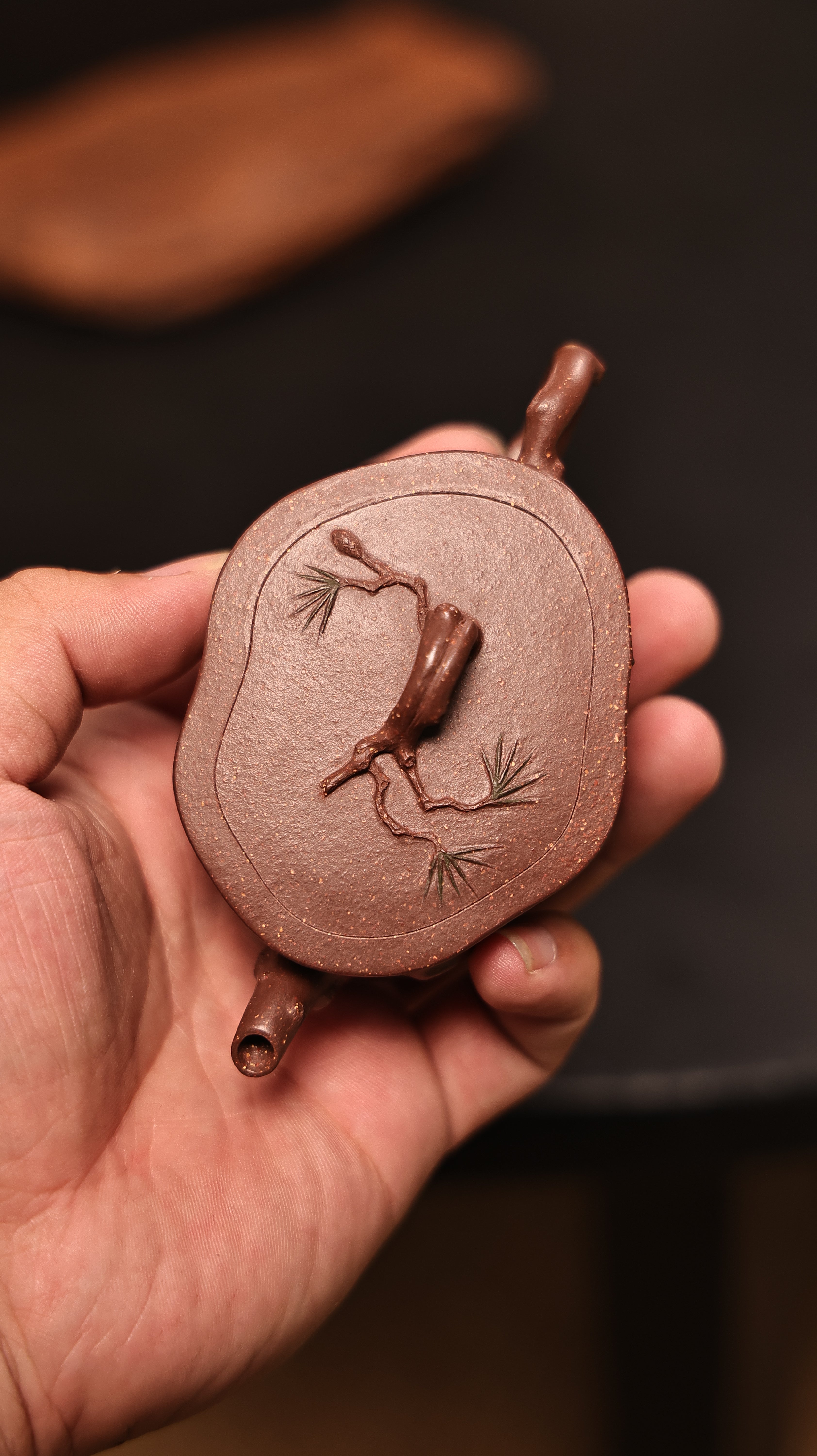
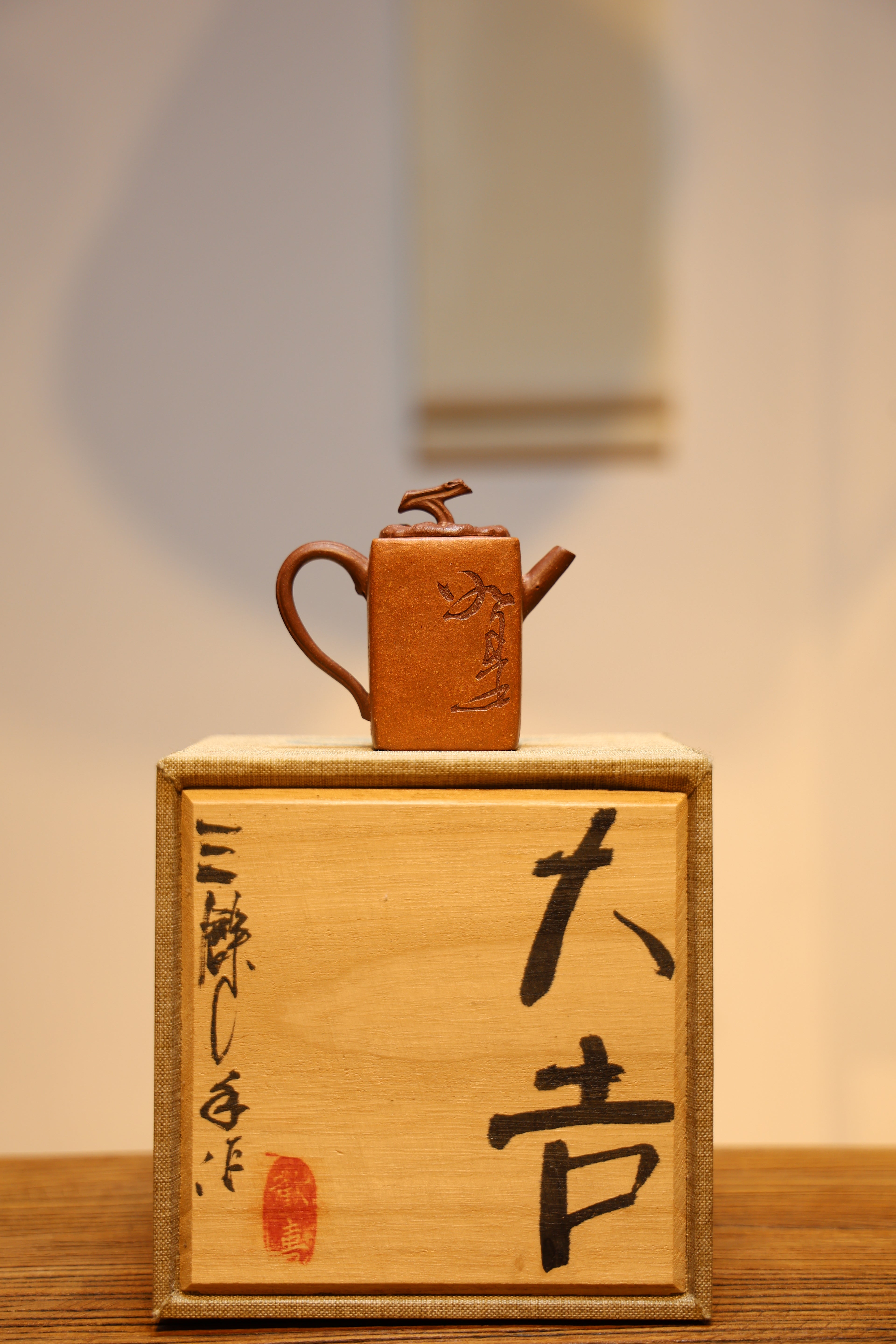
For decades, enthusiasts have been ensnared by the extraordinary charm of Yixing Zisha pitchers. Originating from the realm of Yixing in the Chinese province, these objects are renowned for their preeminent beauty, exclusive clay, and built-in ability to elevate the note of tea. The clay's distinctive purple-red hue, combined with the skillful workmanship of Yixing's artisans, creates objects that are both functional art and valuable investments. Obtaining a Zisha teapot is more than just such a purchase; it's inviting a rich ancestral heritage.
Investigating Yixing Teapots: Narrative, Forms, and Merit
The renowned Yixing teapots constitute a fascinating tradition deeply intertwined with Chinese culture. Originating in the Yixing region of Jiangsu province, these clay vessels carry a heritage connecting back to the Ming Dynasty. Preliminary examples were functional, but amidst centuries, Yixing teapot manufacturing evolved into an esteemed art form. The clay itself, known for its unique texture and ability to improve the flavor of the tea, lasts a defining factor. Yixing teapots emerge in various patterns, broadly categorized by shape: Traditional such as Zhuni (purple clay) and Bisheng, as well as more designs. The significance of a Yixing teapot rests on several factors, including the potter’s name, the age of the piece, the rarity of the clay, and its aesthetic appeal.- Account: Old ages
- Earth: Bisheng
- Value Factors: Uniqueness
Zisha Pot Excellence: Skills and Artisans
Distinct construction of a genuine Zisha teapot is a elaborate process, requiring long spans of expertise. Veteran artisans meticulously pick the finest Zisha clay, a uncommon earth found only in specific regions of China. Established techniques, often relayed through families, involve meticulous shaping, sensitive carving, and methodical firing in ancient furnaces. The definitive teapot isn't merely a pot; it's a testament to design vision and the meaningful connection between the sculptor and their roots. Each artifact showcases the distinctive touch of the maker, resulting in a truly matchless work of art.
Historical Teapots: Investigating the Rich Legacies of Yixing Domain
Renowned Yixing, set in Jiangsu the region, is extensively renowned for its exceptional clay pots – a tangible representation of centuries of Chinese tradition. These aren't Yixing Zisha Teapot merely vessels for processing tea; they are intricate works of craftsmanship, often reflecting ideological ideals. The unique purple clay, known as Zisha, possesses extraordinary qualities: the element dense, porous, and imparts a subtle note to the tea.
- Multitudinous families have honed the techniques of Yixing vessel making, passing down time-honored methods through generations.
- Aficionados prize these pieces for their loveliness and rareness.
- Every container tells a account, connecting the partaker to a rich legacy.
Engaging in Yixing Zisha: Vital Indicators
When exploring buying Yixing Zisha ceramics, several distinct components demand careful evaluation. First of all, the element's pigment is paramount; authentic Zisha traditionally exhibits a distinct reddish cast. In addition, scrutinize the workmanship; sharp characteristics and a silky covering signify adept craft. Eventually, analyze the producer's prestige; reputable names draw boosted amounts and often grant a promising profit.
Mastering Tea Brewing Using a Zisha Pot
Preparing delicious tea with a Zisha teapot is more outstripping a simple habit; it's an specialty. Zisha clay, noted for its unique natural composition, imparts a nuanced character to the brewed tea that’s often lacking with other devices. The appropriate water intensity is required; typically, gentler than what's used for black tea, to preserve the tea's smell and quality. Consider diligently the tea sort; delicate green teas or aged pu-erhs thrive from the Zisha’s ability to reduce their primitive edge. It’s essential to cleanse the teapot before brewing, and to exclude over-steeping. Mastering this skill leads to a authentically exceptional tea experience.
- Realizing Zisha Clay
- Water Warmth & Kind of Tea
- Significance of Pre-heating
Enhancing Your Celebrated Vessel
Intending to sustain the existence of your treasured Yixing container, consistent care is critically essential. Shun using cleaning agents; instead, non-aggressively spray it with hot aqueous substance. Prevent immediate changes; refrain lay the urn directly onto a searing surface. Periodically, enhance the teapot by soaking it with choice specialty beverage, as this promotes to build its profile and defends the special charm of the element.
Concerning Substance to Vessel: The Course of a Zisha Container
A creation of a Zisha teapot is a astonishing system, a testament to both the globe's bounty and the mastery of the maker. It launches with the exact extraction of the special clay from the burgundy Zisha mines near Yixing. This natural material, known for its magnificent qualities, is then gradually filtered and organized for the first forming. The container's profile is skillfully constructed using a amalgamation of longstanding wheel throwing processes, often incorporating fancy enhancements. Following drying, the vessel undergoes a decisive first firing, complemented by a layering stage, which might involve several layers of traditional Zisha layers. Finally, a second, and sometimes third, firing at strong temperatures renders the composition, revealing its final beauty and wonderful characteristics - a authentic masterpiece, set to beautify a tea practice.
{Yixing Teapots: A Reflection of a Customary Practice and Appreciation
This Yixing teapots, originating from the famed Yixing region of Jiangsu province, are far more than mere pots for brewing brews; they represent a important aspect of Chinese heritage. Produced from distinctive purple clay – zisha – these extraordinary teapots are highly cherished for their ability to elevate the flavor of the tea and, crucially, for their charm. The past of Yixing teapot making spans centuries, and the artistry involved is conveyed through generations, making each teapot a craftwork that embodies heritage-bound techniques and a profound appreciation for the elegant pleasures in life.