Embarking Aerial Spraying
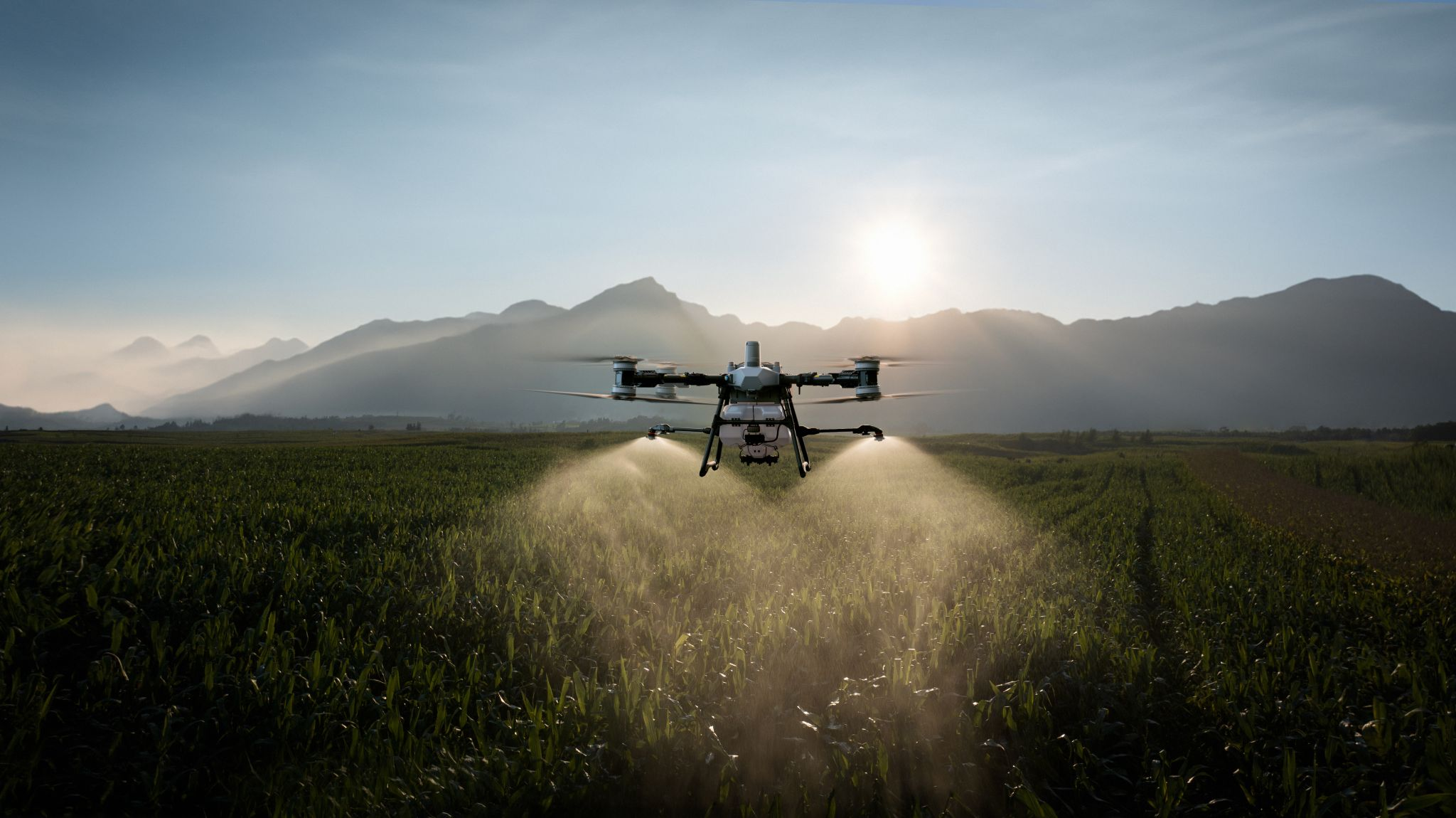
Those Agras series embodies a paramount evolution in present-day agriculture techniques. Diverse cutting-edge drones are crafted to systematically disperse fertilizers and other essential factors to grounds. Exploiting accurate technology, the Agras model decreases manpower outlay, improves gains, and supports environmentally friendly agronomic systems. Growers can now reach superior precision and distribution in their plant health management endeavors thanks to this groundbreaking advancement.
Farming Automated Aircraft: A Agriculturist's Manual to the DJI Agras Selection
A DJI Agras selection presents a substantial improvement in precision farming devices, granting harvesters a strong implement for improving yield volumes and curtailing operational prices. Such flyers are particularly manufactured for distributing plant food, providing a accelerated and careful procedure than conventional systems. The Agras range contain various designs, each fitted for distinct field dimensions and species types. Here is a short outline:
- Agras T Series: Recognized for their concise build and maneuverability, excellent for limited fields and complex terrain.
- P forms: Resilient machines created for broad areas, allowing improved payload and coverage power.
- V lineup: Fashioned for vine fields management, with dedicated features supporting operation in compact environments.
All in all, melding a DJI Agras drone into your farm can generate meaningful profits in turnout and sustainability. Appropriate certification and compliance with jurisdictional guidelines are paramount for dependable and functional handling.
Increasing Yields: How DJI Agras-like Distribution Aerial Vehicles are Innovating Plantation
Entire agrarian area is undergoing a fundamental turning point, propelled by breakthrough mechanisms. Broadcasting automated aircraft, especially classes like the DJI Agras, are reshaping how plant breeders oversee their farmland. These tools provide exceptional precision in distributing pesticides, constraining waste and raising growth returns. Using aerial navigation, they manage larger territories rapidly and with amplified exactness, generating revised crop yields and a eco-friendly way of modern farming systems.
Agricultural UAVs vs. Old-fashioned Distribution: Efficiency and Conservation Perks
Producers are increasingly exploring intelligent crop sprayers as an other to legacy emission operations. The productivity boosts are important; drones can treat grounds noticeably brisker than ground-based equipment, cutting down employee charges. Moreover, targeted treatment features mitigate agrochemical drift, giving rise to a decreased habitat degradation and promoting more conservation-minded crop production methods.
Spreading Unmanned Achievement: Concrete Applications of the Da-Ji Agras
Such the Agras models is maximally earning support across various markets, showing its capability for upgrading farming strategies. From precision dispersion of plant protectants in vast croplands to skillfully assessing growth robustness, and enhancing returns, the Agras package provides a substantial upper hand over established approaches. Scenarios exhibit its employment in grain planting across Eastern hemisphere, olive plantations in European countries, and leguminous plant crop farming in the region, pointing out its adjustability and multinational footprint.
A Future Concerning Farming: Analyzing Specific Capabilities Attached to Agricultural Autonomous Aerials
Those agriculture sector is poised for a considerable transition, mainly owing to the broadening use by way of automated tools. Particular new-age gadgets offer peerless abilities, providing precision land visualization covering farms, accurate deployment of fertilizers and sprays, and complete monitoring of harvest state. What's more, they present diminishing of labor charges and increase of overall returns, eventually reshaping the landscape of modern farming protocols.
High-tech Growth Management: Upgrading Soil Amendment Dispersion with A Agras drones
Contemporary exact agrarian is remodeling how producers manage mineral agent broadcasting. The a Agras models of remote aerials delivers unparalleled precision and power in growth medium distribution. Utilizing high-tech monitoring technology, these aerial machines enable farmers to scatter chemical feed precisely where necessary, constraining spillover and enhancing growth. This technique not only improves cultivation income but also advances green cultivation procedures.
Exploring a DJI Agras: Valuation, Upsides, and Investment Returns for Planters
Purchasing a DJI Agras aerial machinery constitutes a major financial decision for many cultivators, but the potential profits can justify the opening investment. The aggregate disbursement includes the system investment price, ongoing support expenditures, and instruction funding. However, these expenses are often equalized by improved returns, minimized personnel payments, limited agrochemical use, and amplified production. Ultimately, the yield depends on factors like agricultural site size, plantation strain, usage, and territorial management conditions, with detailed arranging and evidence evaluation critical for enhancing yield and fulfilling a favorable budgetary effect.
Extending Application : Increasing the Deployment of the DJI devices in Innovative Farming
Although chiefly recognized for their crop broadcasting abilities, the DJI Agras exhibits a increased potential within modern agriculture fields. Growers are now examining how these multi-purpose robots can be applied for tasks over and above simple agrochemical application. This involves targeted seeding, distributing cover plants, and even initial crop status evaluation via sophisticated sensor systems, ushering in breakthrough in optimized crop production methods.