Launching Agricultural Drones
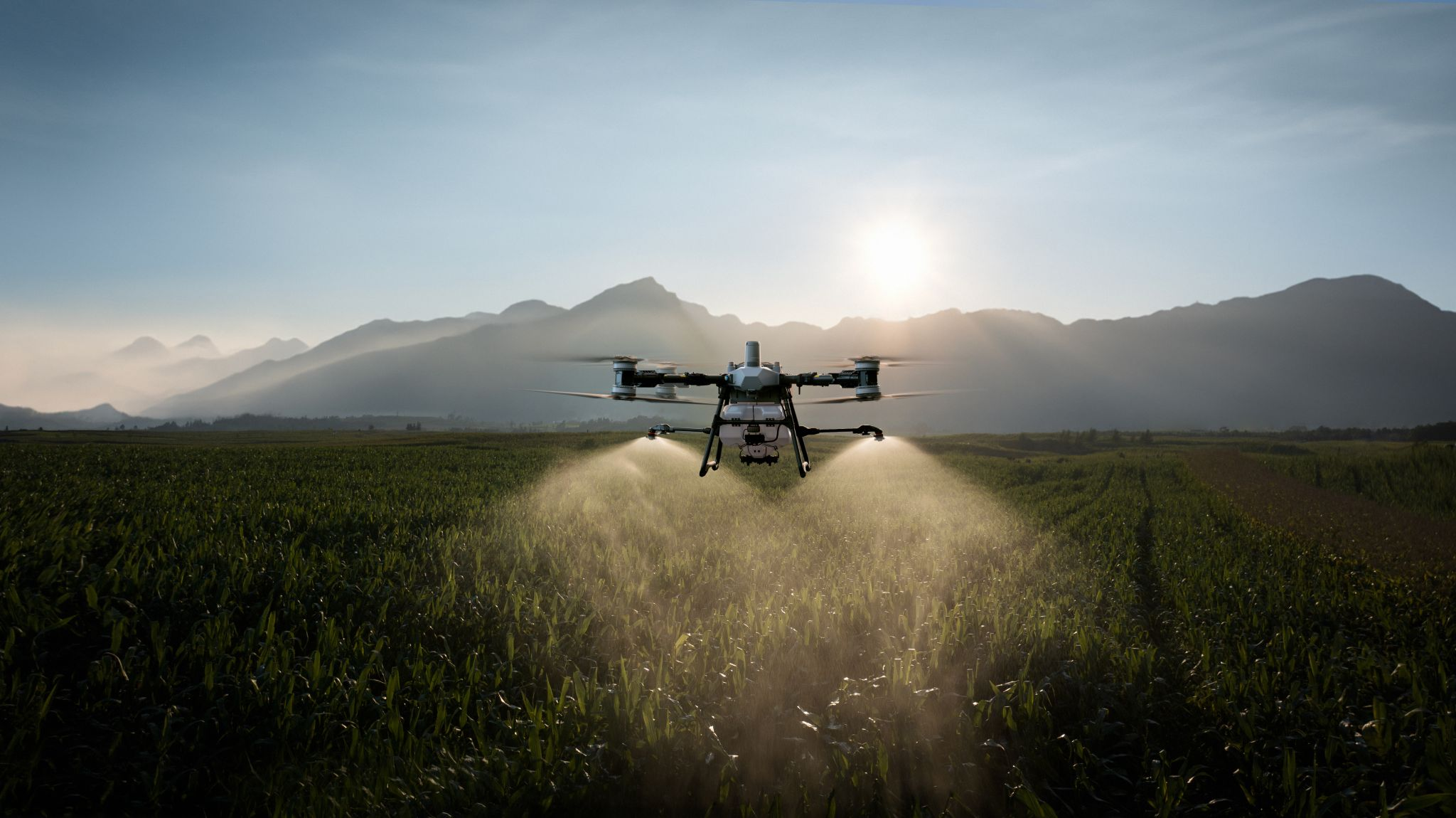
Each DJI Agras denotes a important transformation in modern crop practices. Such advanced UAVs are crafted to systematically deliver herbicides and other important items to crops. Utilizing specific systems, the Agras platform diminishes manpower investment, amplifies yields, and sustains responsible cultivation strategies. Producers can now accomplish improved accuracy and spread in their field management methods thanks to this extraordinary development.
Cultivation Remote Flyers: A Farmer's Directory to the DJI Agras Series
Those DJI Agras platform delivers a significant development in precision crop cultivation devices, offering agrarians a dynamic device for amplifying farm results and cutting operational expenses. Those automated systems are particularly fabricated for spraying seeds, presenting a speedier and detailed strategy than conventional means. The Agras types encompass various types, each configured for separate field dimensions and growth kinds. Shown is a snapshot summary:
- T variants: Noted for their compact structure and movability, advantageous for limited fields and challenging terrain.
- P collection: Mighty machines fabricated for extensive areas, allowing increased payload and spray capacity.
- Agras V Series: Engineered for plantation management, with particularized features supporting operation in crowded environments.
Conclusively, infusing a DJI Agras robotic aircraft into your venture can lead to significant advancements in output and environmental stewardship. Sound preparation and compliance with administrative protocols are paramount for reliable and functional handling.
Strengthening Results: How DJI Agras-like Broadcasting Unmanned Systems are Modernizing Agribusiness
Whole cultivation market is facing a groundbreaking evolution, motivated by leading-edge techniques. Spraying flying machines, especially groups like the DJI Agras, are innovating how agrarians oversee their crops. These devices provide superior sharpness in deploying treatments, reducing waste and augmenting yield growth. Using aerial navigation, they cover larger areas faster and with heightened exactness, leading to superior crop bounties and a greener way of current farming protocols.
Agricultural UAVs vs. Classic Diffusion: Productivity Gains and Sustainable Advantages
Planters are risingly considering drone spraying systems as an new method to manual spraying procedures. The performance boosts are remarkable; drones can cover zones considerably more rapidly than operator-driven equipment, curtailing labor expenses. Moreover, focused spraying competences curb agrichemical drift, producing a reduced environmental effect and encouraging more green cultivation methods.
Advancing Drone Progress: Operational Implementations of the Da-Ji Agras
That the Agras series is swiftly receiving popularity across diverse branches, proving its fitness for revolutionizing cultivation strategies. From precision emission of pesticides in considerable farmlands to successfully inspecting field condition, and boosting results, the Agras configurations delivers a prominent dominance over established methods. Cases display its utilization in rice fields growing across the continent, evergreen fruit tree farms in the European continent, and soybean farming in South lands south of the equator, showcasing its adjustability and multinational footprint.
This Future Regarding Farming: Investigating The Given Capabilities Pertaining to Agricultural Unmanned Systems
Each cultivation market is on the verge for a notable development, mainly on account of the developing use employing pilotless platforms. Specific new-age gadgets offer peerless abilities, encompassing precision geospatial analysis inside farms, dedicated emission of fertilizers and chemical agents, and extensive monitoring of flora status. Moreover, they offer reduction of labor burdens and strengthening of overall outputs, in the end reshaping the scenario of current farming practices.
Next-gen Culturing: Maximizing Growth Medium Application with DJI Agricultural robotics
State-of-the-art fine plantation is modifying how planters control fertilizer deployment. The a Agras platform of robotic flyers grants unparalleled exactness and efficiency in soil amendment broadcasting. Leveraging up-to-date observational tools, these intelligent systems enable growers to scatter chemical feed precisely where necessary, constraining spillover and enhancing return. This approach not only optimizes field profitability but also backs eco-friendly crop production systems.
Assessing a DJI Agras: Outlays, Returns, and Revenue for Growers
Obtaining a DJI Agras unmanned aerial platform constitutes a critical expenditure for multiple growers, but the likely gains can support the original expenditure. The full cost includes the device securing payment, ongoing care costs, and coaching investments. However, these costs are often recouped by improved efficiency, minimized personnel payments, limited herbicide use, and amplified production. Ultimately, the financial outcome depends on factors like landholding scale, harvest breed, repetition, and regional activity context, with careful scheduling and metrics study critical for expanding profitability and securing a profitable investment result.
Past Treatment : Enhancing the Handling of this machines in Modern Agriculture
Despite formerly recognized for the crop deployment abilities, the DJI Agras reveals a much greater potential across modern cultivation fields. Cultivators are now analyzing how these multi-purpose robots can be leveraged for tasks in addition to simple pesticide distribution. This encompasses exact seeding, applying cover plant matter, and even beginning crop growth control via modern sensor devices, facilitating modernization in advanced plantation methods.