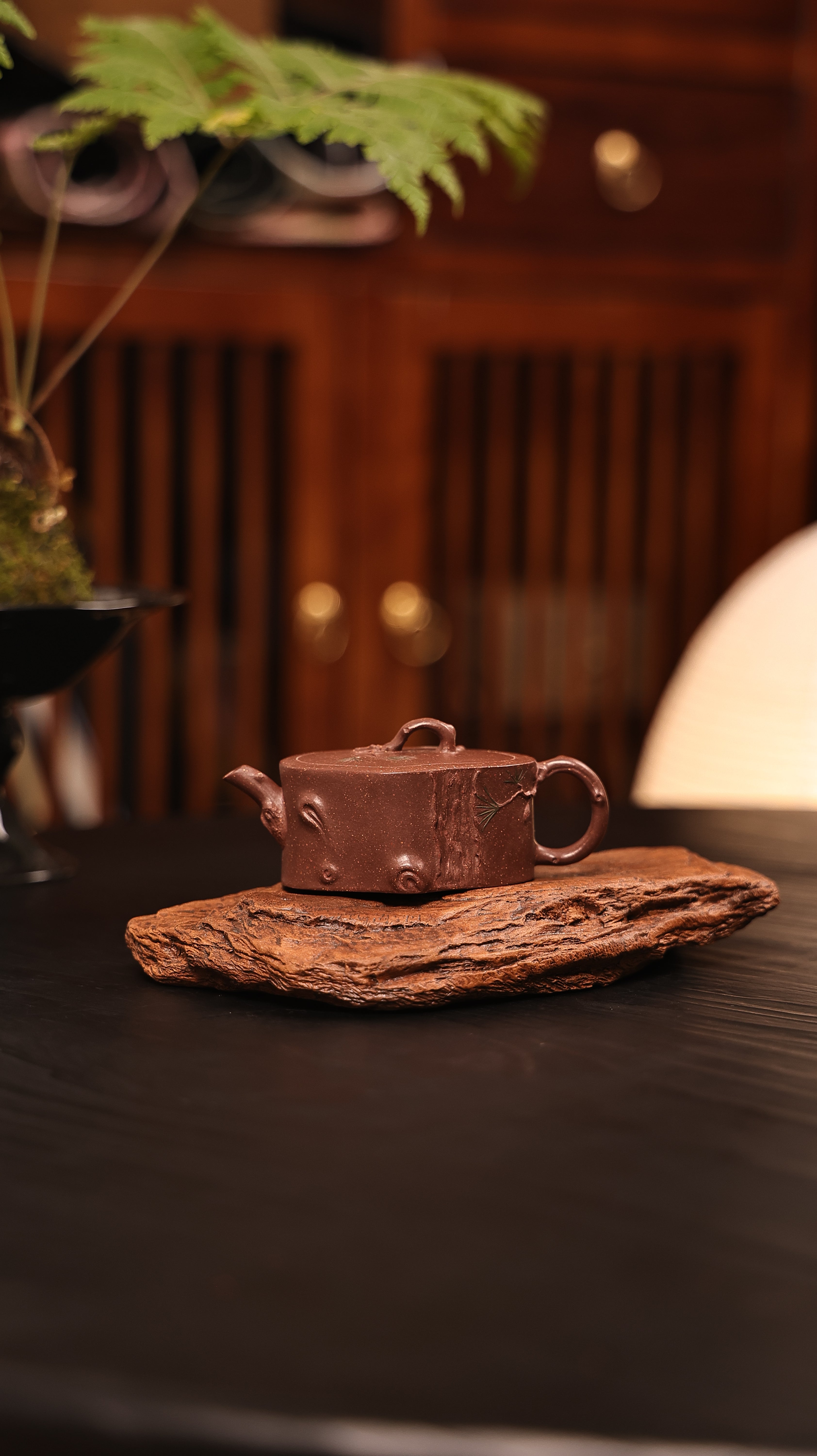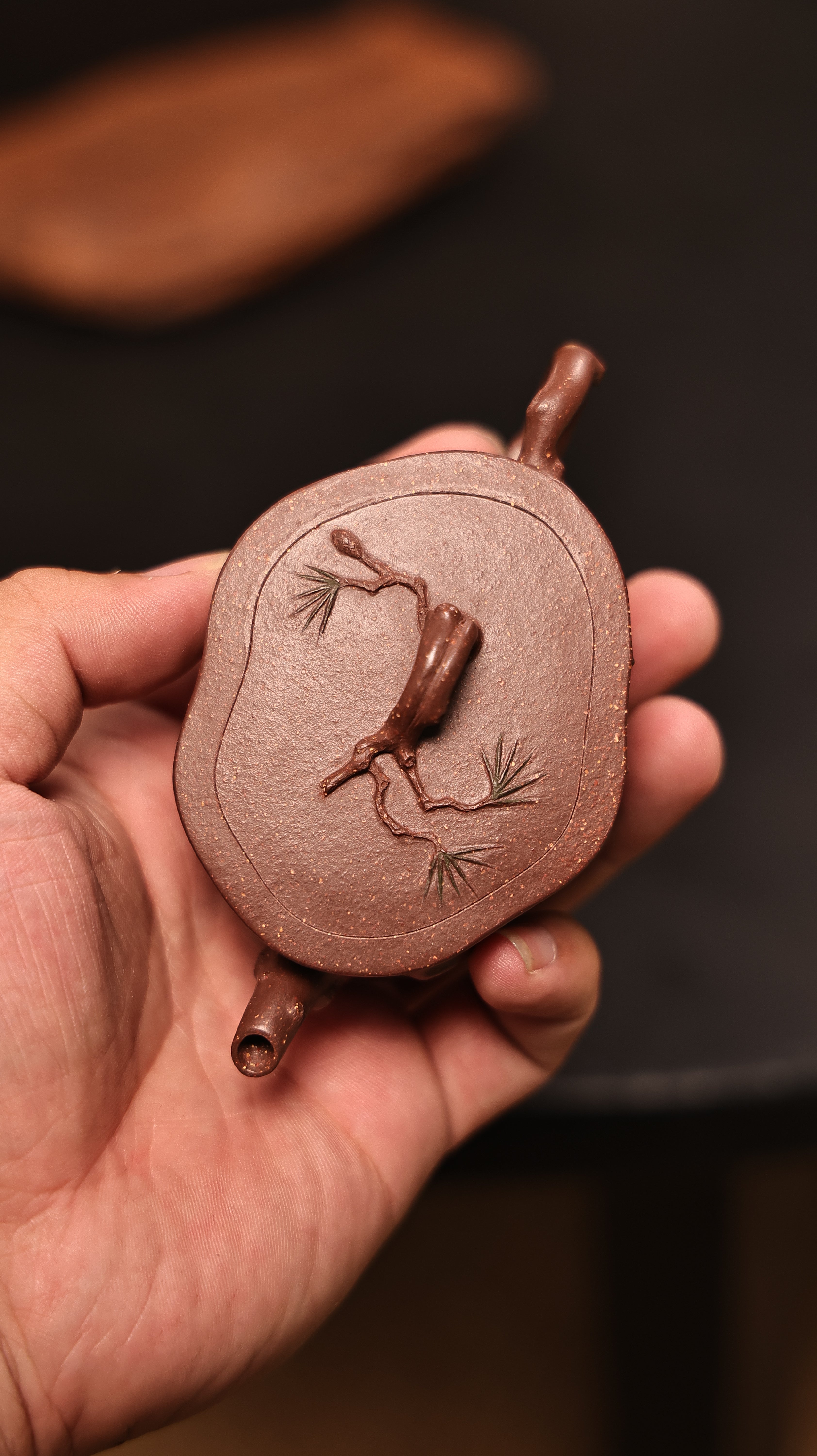
Beginning your detailed investigation touching on 宜兴 Zi Sha ceramic kettles introduces special enchanting union of artistry plus practicality.
Ihsing Zi Sha ceramic vessels enjoy one exceptional attraction within enthusiasts internationally. Those extraordinary clay pots, produced from the particular 宜兴 region adjacent to Jiangsu locale, China, function as more than just infusion tools; they stand as works art beauty and cultural significance. The finely screened clay, known called Zisha, imparts a gentle flavor through the tea, and the complex designs, often embodying traditional Chinese artistry, increase their natural value. Owning a genuine Yixing Zisha teapot can be a worthwhile journey, calling for careful examination and an grasp of the manifold factors influencing its limited availability.
Understanding Yixing Brewing Vessels
Eysing clay pots boast a profound legacy deeply interwoven with Chinese artistry. Originating in Yixing, Jiangsu zone, these ceramic jars are crafted from a unique, porous purple earth found only in that notable location. Their origins began during the Ming era, with master sculptors refining the approaches over periods. Distinct types are found, including the classic Hexiang Zisha Teapot (resembling crab shells), Zhuni (red-brown hue), and Duan Ni (stone-studded) – each with distinctive qualities. The price of an Yixing tea container isn't solely based on its size or design, but also on the artist’s reputation, the substance's quality, and the vessel’s age and condition. Collectors often seek out older examples, believing they accumulate the flavor of the drink brewed within them over time, further adding to their reputation.- Original Pots
- Coppery Pots
- Stony Vessels
Zisha Teapot Mastery: Expertise & Methods
That crafting of Zisha teapots represents a summit of Chinese ceramic art. Expert artisans employ classic techniques, often passed down through lineages, to unlock the full expression of this unique clay. Methods involve meticulous sculpting by hand, often combined with the binding method, followed by precise baking at incredibly severe temperatures in wood-fired kilns. Illustrating is equally crucial; makers utilize native clay colors and may incorporate embossing work to depict intricate scenes or patterns, demonstrating a profound grasp of the material’s attributes and manifestation. The finished teapot isn't merely a vessel for tea, but a testament to a extensive cultural custom.
The Brewing Pots: Special Introduction to Ihsing Tzu Sha
Probing the world of Chinese teapots sometimes commences with Yixing Zisha. These particular clay pottery vessels are made from a singular type of clay harvested only in the Yixing region of the Jiangsu locale province. Famous for its remarkable reddish-purple hue and superior aspects, Zisha clay delivers a mild flavor to the tea and improves with age, turning into a cherished gem. Curating Yixing Zisha earthenware is more than just acquiring a beautiful object; it’s a dedication of history and talent.
Surveying Yixing Zisha: Genuine Nature & Growth
Entering the market of Yixing Zisha artifacts can be extremely profitable, but calls for a sharp perception. Truthfulness is vital; countless fakes circulate, sometimes convincingly produced. Learning about classic kiln techniques, peculiar substance particulars, and the symbols of distinguished craftsmen is utterly necessary. Over and above, realizing the subtleties of the expansion course – influenced by reasons such as artistic importance and the condition of the component – is vital to effective acquisition.
- Surveying curing development.
- Seeking scholars for confirmation.
- Comprehending auction behavior.
This Practice of Brewing with a Ceramic Brewer
The original allure of a Zisha equipment lies not just in its exquisite appearance, but also in its distinguished impact on the aroma of the beverage. These vintage clay earthenware, sourced from specific regions of China, possess a native porosity that gradually interacts with the moisture and leaves, imbuing the infusion with a nuanced character. Mastering the craft requires a attentive approach, understanding how the substance responds to distinct temperatures and botanical types, ultimately leading to a genuinely rewarding imbibing ritual.
Sustaining One's Relic
Proper handling of your Yixing teapot is important to preserving its usefulness. These unique teapots, crafted from special Yixing clay, exhibit a sheen over intervals that increases their prestige. Frequently rinse the inner area with warm water, avoiding harsh substances, and never use harsh scrubbing tools. Periodic gentle drying with a gentle cloth can encourage in removing blemishes. Allow your carafe to thoroughly dry following each use
Understanding Earthenware: What These Earthenware Are Exceptional
The well-known appeal of Yixing teapots stems from the particular properties of Terracotta clay, sourced solely near Yixing, that region. This uncommon clay, recognized as ferruginous porcelain , contains a unique combination of compounds that, with age, soak up the bouquet of the elixirs it holds. This leads to a unique scent for each ceramic pot, making it a worth far more than its primary price and helping to their esteemed status among specialists.
Finding the Ideal Eastern Pottery Piece: A Earthen Reference
Venturing into the world of Yixing clay teapots can feel difficult, but understanding the roots is paramount to determining a treasured piece. These clay, sourced mainly from the area around Yixing, the Jiangsu district, is celebrated for its exclusive grain and ability to boost the bouquet of the elixir over duration. Ponder the contour, the tint, and the visual appeal; a real Zisha teapot is more than just a receptacle; it's a artistic piece and a reflection of ancient culture. Examine the mark of the artisan for clues to its heritage and potential merit.