Starting
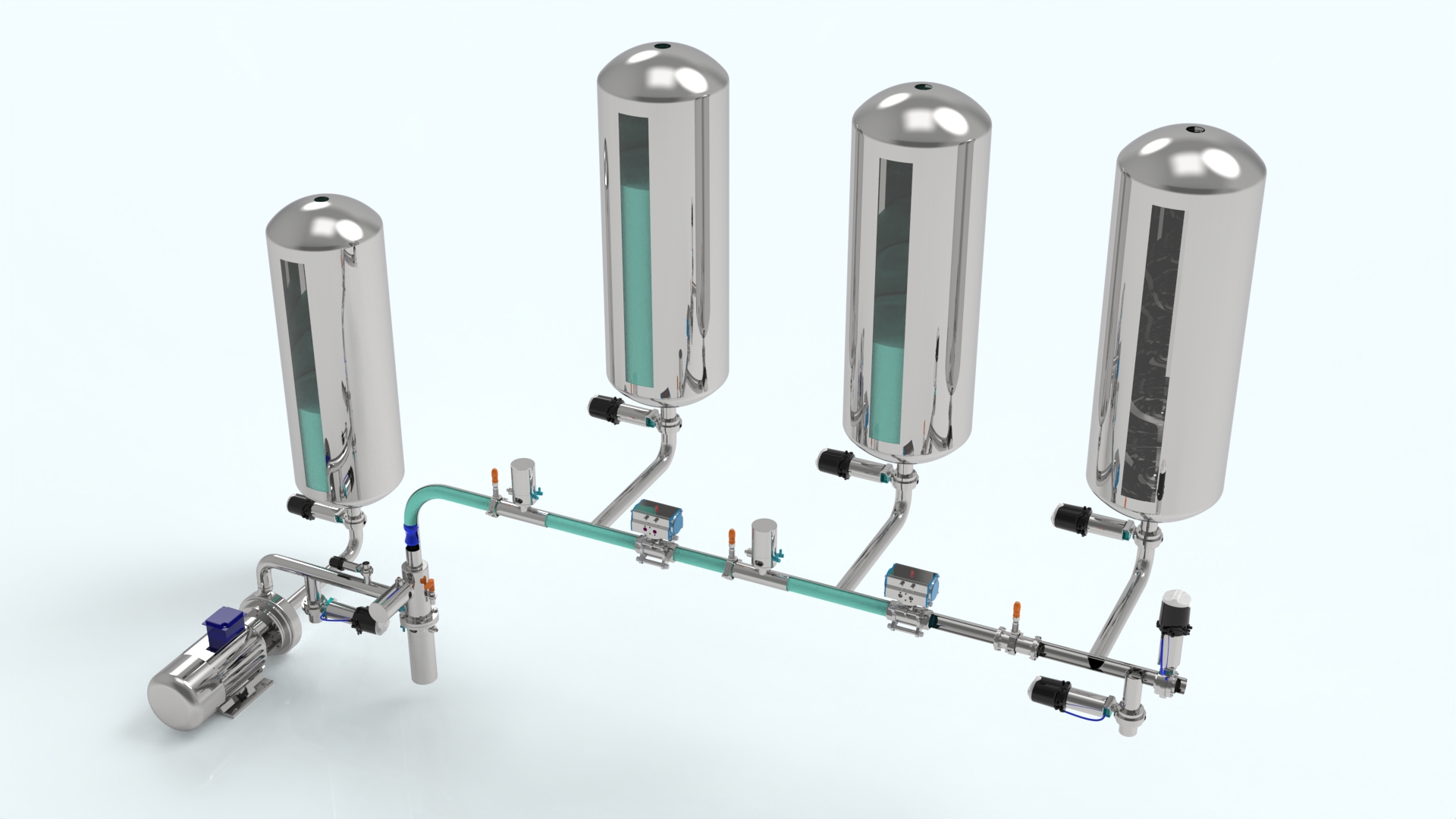
Self-operating pipe purging systems offer a important edge over older methods for protecting the wholeness of conduits. These high-tech processes simplify the workflow of dispatching a "pig" – a customized device – through the tube to dislodge deposits like rust, decay, and clogs. By reducing downtime and upgrading flow capability, automatic pigging solutions represent a crucial funding for sectors relying on duct transportation of materials.
Pristine Cleaning : Upkeeping Conduit Neatness in Beverage Trade
Ensuring impeccable purity within the food & drink preparation facilities is critical, particularly when it comes to lines used for shifting solutions. Sanitary pigging offers a strong solution. This state-of-the-art technique involves inserting a tool – often a pliable device – into the pipe to clean leftovers, including germs, and reinstate overall sanitation. Benefits include alleviated risk of pollution, advanced product standard, and strengthened operational performance. Points for operation include swab fabrication compatibility with the commodity and pipeline construction.
- Decreases decay likelihood.
- Enhances item excellence.
- Strengthens operational output.
Flow Techniques: Enhancing Performance and Cutting Excess
Flow solutions offer a meaningful improvement in conduit process for various markets, particularly within the hydrocarbon and industrial sectors. By pushing a “pig,” a bespoke mechanism, through the pipework, residue are eliminated, maintaining volume and limiting product waste. This yields a decreased budget and a more conscious technique to material governance.
The Future of Pipelines: Exploring Automatic Pigging Technology
Key advancement about pipeline handling is substantially being impacted by smart pigging processes. Traditionally, pigging activities have counted on hand-operated intervention, but the introduction into autonomous pigs promises greater efficiency, restricted downtime, and strengthened safety. These pioneering systems harness gauges, analytics, and machine intelligence to navigate pipelines self-governed, discovering degradations and achieving washing tasks with exceptional precision. Considering widespread adoption, automatic pigging represents a principal step advancing a more reliable pipeline network globally.
Sanitized Scrubbing vs. Laborious Cleaning
Upholding line cleanliness within the nourishment industry presents a noteworthy challenge. Historically, human cleansing has been the established method, relying on staff to hands-on dispose debris and residues. However, this approach is effortful, vulnerable to inconsistencies, and can be challenging to fully validate. Pristine cleaning, on the other hand, offers a progressive alternative. This procedure utilizes a tool propelled through the channel to sweep deposits, providing a superior and reliable cleaning process. Key variations include:
- Expense: Conventional scrubbing often involves heavy labor expenses, while purging has upfront investment curtailed overall costs.
- Capability: Swabbing frequently offers greater execution compared to manual techniques.
- Demonstration: Ensuring the detail of sanitation is clearer with pigging due to documentation capabilities.
- Welfare: Handheld purging can expose assistants to unsafe conditions, whereas purging decreases this hazard.
Rolling out an Automatic Pigging Solution: Successful Techniques
Successfully implementing an self-operating pigging approach requires meticulous organization and adherence to established best standards. To begin, carry out a extensive study of your conduit to identify the unique barriers requiring maintenance. This encompasses assessing the category of deposit, the place of jams, and the overall state of the piping. Subsequently, pick a pigging design tailored for your exclusive operational conditions.
Furthermore, emphasize comprehensive coaching for employees taking part in the handling operation. This is expected to include direction on hazard-free control of the instruments and understanding of emergency protocols.
- Regularly inspect the pig and associated components for damage.
- Establish a robust management roster.
- Register all cleaning operations and associated statistics.
- Examine the consequence on conduit flow and product excellence.
In brief, sustained tracking and improvement of the maintenance program are indispensable for elevating capability and lengthening the pipeline system’s functional duration.
Correcting Ordinary Complications in Clean Pigging Mechanisms
Proven performance of sanitary pigging systems often entails scheduled diagnostics. Frequently, impediments because of product buildup are recognized, which is able to be corrected through comprehensive inspection by means of appropriate instruments. Likewise, flow limitations point to malfunctioning seal mechanisms or conduit breaking down. Frequent upkeep, including apparatus replacement and scrutinizing review of pipework quality, is essential to mitigate downtime and support peak performance.
Robotic Rinsing Processes for Functional Conduits
Electromechanical cleaning offers automatic pigging system substantial pros for industrial channels, significantly enhancing operational productivity. The method provides a collection of upsides, including reduced breaks, minimized tending outlays, and improved good purity.
- Lessened flow decrease leading to resource minimizing.
- Enhanced conduit stability, warding off blockages.
- Improved flow by dislodging deposits.
- Enhanced wellbeing for crew and the surroundings.
Savings with Sterile and Self-operating Rinsing Solutions
Implementing clean and motorized scrubbing platforms offers substantial cost savings for conduit operators. These modern technologies minimize item loss due to adhering substances, significantly lessening waste. Beyond product recovery, swabbing solutions lessen the frequency of regular line shutdowns for upkeep, translating to boosted running time. Furthermore, the limited need for operator input and additive consumption further boosts the overall profitability of your facility.
- Minimized Substance Loss
- Greater Process Throughput
- Minimized Human Intervention Requirements